Posted on
The Rise of Remote Accounting Roles: What New Students Need to Know
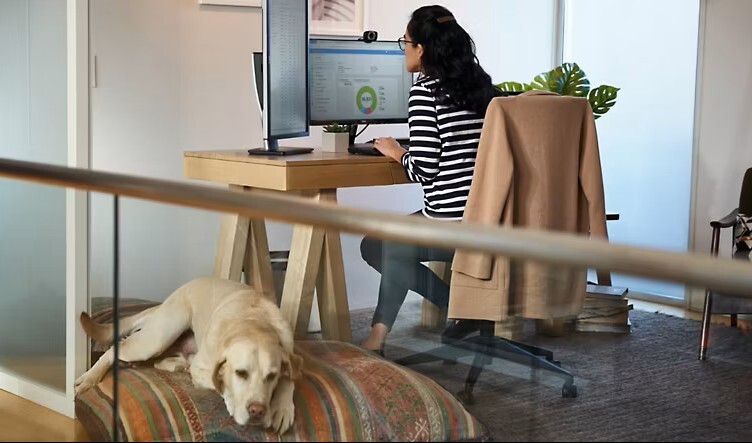
Over the past few years, remote work has gone from a niche option to a mainstream career path—and the accounting and bookkeeping sector has been one of the biggest beneficiaries. Today, more businesses than ever are embracing flexible work arrangements, cloud-based systems, and digital collaboration tools. For students considering a career in accounting, this shift has opened the door to new opportunities, new lifestyles, and new ways of working.
If you’re thinking about studying accounting or bookkeeping, here’s what you need to know about the rise of remote roles and how to prepare for them.
Why Remote Accounting Roles Are Growing
Several key changes in the industry have helped drive the shift toward remote work:
1. Cloud-Based Accounting Software
Tools like Xero, MYOB, and QuickBooks Online allow accountants to access financial data from anywhere. This means businesses no longer need someone on-site to manage accounts, perform reconciliations, or process payroll.
2. Increased Demand for Flexible Work
Employers are expanding their talent pool by hiring remotely, while employees seek roles that allow them to balance work with family, lifestyle, or study. Accounting—especially bookkeeping, payroll, and compliance—fits perfectly into this flexible model.
3. Digital Transformation
As more business processes shift online, accountants are becoming digital collaborators. Tasks like reporting, client communication, and workflow management can be done just as efficiently from home as from the office.
What Remote Accounting Roles Look Like
Remote accounting and bookkeeping roles vary widely, but common positions include:
- Bookkeeper
- Accounts Payable / Receivable Officer
- Payroll Officer
- Junior Accountant
- Virtual Assistant (Finance-focused)
- Virtual CFO support roles
Many NBIA graduates step straight into roles like these in organisations from a variety of sectors. Some of our students even begin freelancing or building a small client base from home.
Skills You’ll Need to Succeed in a Remote Role
Beyond technical accounting skills, remote roles require:
1. Strong Digital Literacy
Comfort with cloud software, spreadsheets, task management tools, and communication platforms like Zoom or Teams.
2. Good Time Management
Remote workers need to stay organised and balance multiple deadlines without direct supervision.
3. Clear Communication Skills
Whether updating a client or responding to a manager, clear written and verbal communication is essential.
4. Self-Motivation and Discipline
Remote roles work best when you can stay focused and productive on your own terms.
NBIA courses are designed with these needs in mind, giving students hands-on training in cloud accounting tools and preparing them for real-world expectations. The sheer process of self-paced, online study also puts our students in good stead for remote accounting work as they learn to be self-motivated, disciplined and organised.
Why This Is Great News for New Students
The rise of remote accounting roles means new students have more:
- Job options (both local and interstate)
- Flexibility to work from home
- Opportunity to freelance or start a small business
- Work-life balance than traditional office roles
Whether you’re looking for a career change, returning to the workforce, or seeking flexible work that fits around family life, the remote accounting sector is full of opportunity.
Final Thoughts
Remote accounting isn’t the future—it’s the present. With the right skills and training, you can build a rewarding career that offers flexibility, stability, and room to grow.
If you’re ready to take the first step, NBIA’s courses can help you gain the skills employers are looking for in today’s remote-first environment.